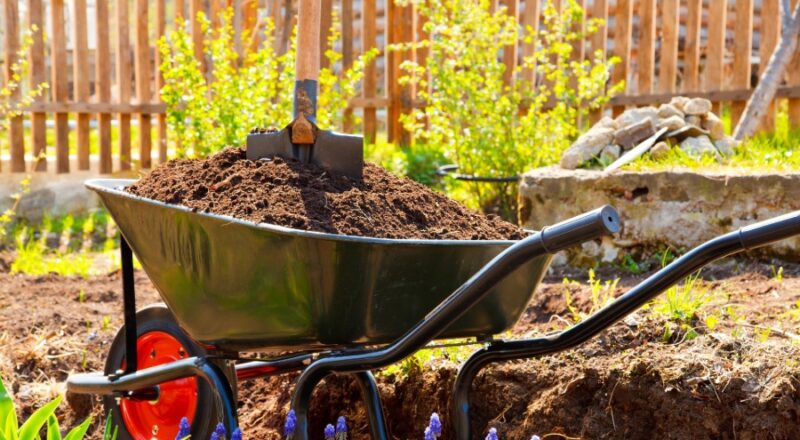
Walk through any neighborhood in spring, and you’ll notice something curious. Some gardens burst with vibrant tomatoes and lush flowers while others struggle to produce even modest growth. The secret behind this disparity often lies beneath the surface, hidden in plain sight. While enthusiastic gardeners focus on selecting seeds and mapping out beds, they frequently overlook the foundation that determines whether their plants will thrive or merely survive. Choosing the best soil for gardening involves understanding what plants truly need from the ground up, and that knowledge transforms ordinary plots into productive spaces.
The difference between mediocre and magnificent gardens rarely comes down to luck or even effort. Instead, it hinges on creating an environment where roots can spread freely, where moisture stays available without drowning delicate root systems, and where nutrients remain accessible throughout the growing season. This foundation work happens long before the first seed breaks through the surface, yet it influences every harvest and bloom that follows.
Understanding What Makes Soil Actually Work
Soil functions as far more than simple dirt that holds plants upright. It operates as a living system containing minerals broken down from ancient rocks, organic matter in various stages of decomposition, air pockets that let roots breathe, and water that carries dissolved nutrients to hungry plants. When these elements exist in proper balance, they create conditions that support robust growth and healthy yields.
The texture of soil determines much about how well it performs. Three primary particle types—sand, silt, and clay—combine in different proportions to create distinct soil textures. Sandy particles feel gritty and large, allowing water to drain quickly but struggling to hold nutrients. Clay particles are tiny and sticky, gripping moisture and nutrients tightly but often creating dense conditions that suffocate roots. Silt particles fall somewhere between these extremes, offering a smooth texture that holds moderate amounts of water and nutrients.
The Gold Standard: Loamy Soil and Its Benefits
Loamy soil earns recognition as the ideal growing medium because it balances all three particle types in harmonious proportions. This combination retains moisture during dry spells without becoming waterlogged during rainy periods. It holds nutrients securely enough that they won’t wash away with the first heavy rain, yet releases them readily when plant roots need nourishment. The loose structure allows oxygen to circulate freely, supporting the beneficial microorganisms that help plants process nutrients.
Gardeners fortunate enough to have naturally loamy soil still need to maintain its quality through regular additions of compost and organic matter. Those starting with less ideal conditions can gradually transform their soil by working in amendments over multiple seasons. The dark, crumbly texture of quality loam should feel slightly damp and hold together when squeezed, then crumble apart easily when touched. This physical test gives immediate feedback about whether soil has achieved that perfect balance growers seek.
Decoding the pH Factor
The acidity or alkalinity of soil—measured on the pH scale—profoundly affects whether plants can actually absorb the nutrients present in the ground. When pH levels swing too far in either direction, essential minerals bind to soil particles and become unavailable to plants, even when present in adequate quantities. Most vegetables, flowers, and ornamental plants prefer neutral to slightly acidic conditions, thriving when pH measures between 6.0 and 7.0.
Simple testing kits available at garden centers provide quick readings that guide decisions about which amendments to add. Soil that tests too acidic benefits from applications of garden lime, which gradually raises pH over several months. Soil measuring too alkaline can be adjusted downward using elemental sulfur or acidifying fertilizers. Certain plants—blueberries, azaleas, and rhododendrons among them—actually prefer acidic conditions around 4.5 to 5.5, making it essential to know what you’re growing before adjusting pH levels.
Matching Soil Types to Specific Plants
Different plants evolved in varied environments, leading them to prefer specific soil conditions. Clay soil, despite its challenging reputation, actually suits many flowering perennials, shrubs, and trees that developed in heavy ground. These plants send out strong root systems capable of pushing through dense material while benefiting from the nutrients clay holds so tenaciously. Asters, daylilies, and many ornamental grasses perform admirably in clay-based beds.
Sandy soil drains rapidly and warms quickly in spring, making it excellent for herbs like thyme, lavender, and rosemary that originated in Mediterranean climates. Root vegetables including carrots and radishes appreciate sandy conditions because their developing roots can push through loose material without encountering obstacles. Gardeners working with sandy ground should plan on more frequent watering and fertilizing to compensate for nutrients that wash away easily.
Container Gardens Need Special Consideration
Growing plants in containers or raised beds requires different thinking than planting directly in the ground. Regular garden soil becomes too heavy and compacted when confined in pots, restricting air flow and often causing drainage problems. Potting mixes formulated specifically for containers contain lightweight materials like peat moss, coconut coir, perlite, and vermiculite that maintain open structure while retaining adequate moisture.
These soilless mixes start out nearly sterile, containing few nutrients compared to rich garden soil. Container plants therefore depend entirely on regular fertilizing to receive the nourishment they need throughout the growing season. Slow-release fertilizers mixed into potting soil at planting time provide steady nutrition, though most containers benefit from supplemental feeding every few weeks during active growth. The investment in quality potting mix pays dividends through healthier plants and better harvests.
Testing and Amending Your Soil
Professional soil tests through county extension services provide detailed analysis of pH, nutrient levels, and organic matter content for a modest fee. These tests return specific recommendations about which amendments to add and in what quantities. Home testing kits offer quicker but less comprehensive results, helping gardeners make basic decisions about lime or sulfur applications.
Fall presents the ideal time for soil testing and amendment because added materials have months to break down and integrate before spring planting begins. Organic matter improves virtually every soil type—loosening clay, helping sand retain moisture, and building the microbial populations that process nutrients into forms plants can use. Compost, aged manure, and shredded leaves all contribute valuable organic content while improving soil structure over time.
The foundation of gardening success truly starts beneath the surface, in the complex living system we call soil. Understanding the basic types, knowing how to test and adjust pH, matching soil characteristics to plant preferences, and maintaining soil health through regular amendments transforms gardening from a frustrating guessing game into a predictable path toward abundant harvests. While seed catalogs and planting schedules capture attention, the soil beneath everything determines the ultimate outcome of every growing season.
Quality soil doesn’t emerge overnight, yet each season of improvement builds on previous efforts. Gardens become more productive as soil structure develops, organic matter accumulates, and beneficial organisms establish themselves. The time invested in creating excellent growing conditions pays returns for years to come, turning even challenging plots into thriving spaces where plants can truly flourish.