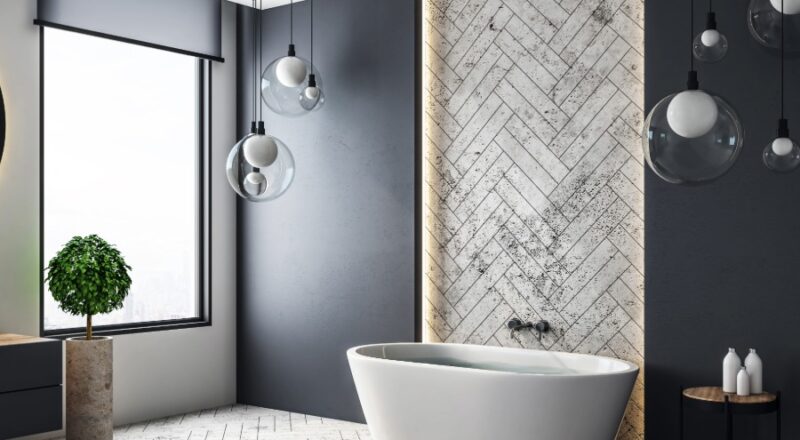
The sanctuary you’ve always dreamed of might be closer than you think. In our increasingly fast-paced world, the humble bathroom has evolved far beyond its utilitarian origins, becoming a personal wellness haven where design meets tranquillity. This transformation reflects our growing desire to create meaningful spaces for self-care and restoration within our own homes.
What was once considered purely functional is now recognised as an opportunity for daily rejuvenation. The modern spa-inspired bathroom represents a fundamental shift in how we approach home design, prioritising mental and physical wellbeing alongside aesthetic appeal. With rising interest in wellness practices and the proven benefits of creating calming environments, homeowners across the UK are reimagining their bathing spaces as therapeutic retreats.
The Psychology Behind Spa-Inspired Spaces
The connection between our environment and wellbeing runs deeper than mere aesthetics. Research consistently shows that thoughtfully designed spaces can reduce stress, lower blood pressure, and enhance overall mental health. When we incorporate natural elements, optimise lighting, and create uncluttered environments, we’re tapping into our innate connection to nature and tranquillity.
This psychological foundation explains why spa bathrooms have become more than a luxury trend—they’re a response to our fundamental need for restorative spaces. The Japanese concept of the bathroom as a sacred sanctuary perfectly captures this philosophy, where cleansing becomes a mindful ritual rather than a rushed routine.
Embracing Biophilic Design
The most transformative trend in contemporary bathroom design centres on biophilic principles—bringing elements of nature indoors to create harmony between built and natural environments. This approach extends far beyond adding a few houseplants, though greenery remains wonderfully effective in humid bathroom conditions.
Natural materials form the foundation of this design philosophy. Consider incorporating warm timber vanities, natural stone surfaces, or textured ceramic tiles that mimic organic patterns. These materials don’t just look beautiful; they create tactile experiences that ground us in nature. Sage green walls paired with terracotta accents, for instance, can instantly evoke the calming essence of an English garden.
Light plays an equally crucial role in biophilic design. Maximising natural illumination through skylights or larger windows helps regulate circadian rhythms whilst creating that coveted airy atmosphere. When natural light is limited, consider installing dimmable LED systems that can mimic daylight patterns throughout the day.
The Wellness Technology Revolution
Modern technology seamlessly integrates with spa design to enhance the therapeutic experience without disrupting the peaceful aesthetic. Aromatherapy shower systems now infuse bathing rituals with essential oils like eucalyptus or lavender, proven to reduce stress and improve mood. These systems can be as simple as shower head attachments or as sophisticated as built-in dispensers.
Chromotherapy lighting represents another fascinating development, using colour psychology to influence emotional states. Soft blues promote relaxation, whilst warm ambers create cosiness—perfect for evening wind-down routines. Smart controls allow you to programme different lighting scenarios for various moods and times of day.
Steam features have evolved beyond luxury additions to become accessible wellness tools. Modern steam shower units not only provide therapeutic benefits for circulation and respiratory health but can be customised with built-in seating, temperature controls, and integrated sound systems.
Creating Your Personal Sanctuary
The beauty of spa design lies in its adaptability to various scales and budgets. Even modest changes can dramatically transform the atmosphere of your space. Begin by decluttering ruthlessly—clear surfaces and concealed storage are fundamental to achieving that serene spa aesthetic.
Consider your colour palette carefully. Earthy neutrals like warm taupe and soft grey create timeless elegance whilst promoting relaxation. For those seeking more character, deeper hues such as forest green or navy blue can create sophisticated, cocoon-like environments that encourage introspection.
Texture adds depth without visual noise. Fluted tiles with their sculptural ridges bring artisanal quality to shower walls, whilst pebble mosaic floors provide gentle foot massage during daily routines. These details create sensory richness that elevates ordinary activities into mindful experiences.
The Art of Atmospheric Lighting
Proper lighting can single-handedly transform a utilitarian space into a sanctuary. Layer different sources to create flexibility—ambient lighting for general illumination, task lighting for practical needs, and accent lighting for mood. Wall sconces positioned at eye level eliminate harsh shadows whilst creating flattering illumination.
Consider installing lighting behind mirrors or beneath floating vanities to create a gentle glow that suggests premium spa environments. For evening rituals, dimmable systems allow you to wind down gradually, supporting natural sleep patterns.
Water as a Design Element
Beyond its functional necessity, water becomes a central design feature in spa-inspired spaces. Rainfall shower heads create the sensation of standing beneath a gentle waterfall, whilst freestanding bathtubs positioned near windows offer private retreats for deep relaxation.
For those with generous budgets, features like infinity-edge baths or integrated water fountains add sculptural beauty whilst enhancing the sensory experience through gentle sound and movement. Even simpler additions like heated towel rails contribute to the overall sense of luxury and comfort.
Sustainable Luxury
Contemporary spa design increasingly embraces environmental responsibility without sacrificing comfort. Reclaimed timber, recycled glass surfaces, and sustainably sourced natural stone offer beautiful options that align with ecological values. Water-efficient fixtures reduce environmental impact whilst often providing superior performance.
This sustainable approach extends to maintenance considerations. Natural materials like bamboo and properly sealed stone prove remarkably durable in humid conditions, offering long-term value alongside immediate aesthetic appeal.
Practical Considerations and Costs
Transforming your bathroom into a spa retreat requires thoughtful planning and realistic budgeting. In the UK, basic spa-inspired renovations can begin around £3,000-£5,000, focusing on paint, lighting, and smaller fixtures. Mid-range transformations typically cost £6,000-£10,000, incorporating quality materials and some structural changes. Premium installations with luxury features may exceed £15,000 but offer substantial property value increases alongside personal enjoyment.
Professional installation proves crucial for complex elements like steam systems or extensive tiling work, though many aesthetic improvements remain accessible to confident DIY enthusiasts. The key lies in phasing improvements over time, allowing you to spread costs whilst gradually building your ideal retreat.
Small Changes, Big Impact
Not every transformation requires major renovation. Strategic updates can create dramatic improvements within modest budgets. Fresh eucalyptus bundles hung in steamy showers release therapeutic aromas whilst adding natural beauty. Quality bath linens in calming colours instantly elevate the tactile experience.
Storage solutions maintain the uncluttered aesthetic essential to spa design. Floating shelves, concealed cabinets, and stylish baskets keep necessities accessible whilst preserving visual serenity. Remember, the goal isn’t perfection but creating a space that consistently supports your wellbeing.
The Future of Home Wellness
As we look toward 2025 and beyond, bathroom design continues evolving toward holistic wellness experiences. Heated floors provide luxurious comfort, particularly valuable during British winters. Advanced mirror technology offers integrated lighting and information displays without disrupting the peaceful atmosphere.
The trend toward open, flowing layouts reflects changing attitudes about privacy and space utilisation. Carefully planned sight lines and strategic placement create intimacy without claustrophobia, particularly effective in en-suite configurations.
Creating a spa bathroom ultimately represents an investment in daily quality of life. In our demanding world, having a personal retreat where we can reliably find peace and restoration becomes invaluable. Whether through major renovation or thoughtful incremental improvements, transforming your bathroom into a wellness sanctuary offers returns that extend far beyond the monetary—it’s about creating space for the self-care that sustains us through everything else.
The journey toward your perfect spa retreat begins with a single step, perhaps as simple as dimming the lights, lighting a candle, and truly appreciating the potential within your existing space. From that moment of recognition grows the vision that can transform not just a room, but your relationship with daily rituals of renewal and care.