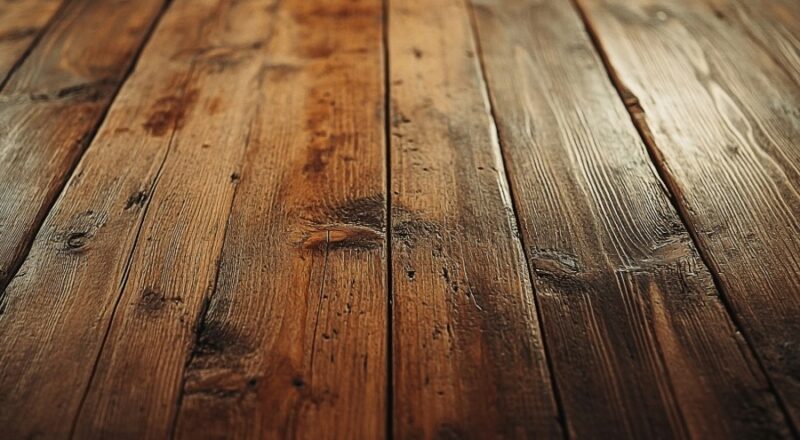
In the heart of every home lies a foundation that speaks volumes about the inhabitants’ character and taste. The movement towards authentic, lived-in aesthetics has never been stronger, with homeowners increasingly seeking flooring solutions that tell a story rather than simply covering ground. Rustic Floor designs have emerged as the antidote to sterile, mass-produced interiors, offering a tangible connection to craftsmanship, history, and the natural world that modern living often lacks.
This shift towards warmer, more characterful flooring reflects a broader desire for spaces that feel genuinely welcoming rather than showroom-perfect. Where once grey tones dominated interior design, 2025 has ushered in an era of honey-toned woods, rich chestnut hues, and surfaces that celebrate rather than conceal the natural imperfections that make each plank unique.
The Allure of Authentic Character
Distressed engineered wood flooring combines the rustic charm of aged wood with modern construction that improves stability, featuring worn textures and natural imperfections that create floors full of depth and character. The appeal lies not in perfection but in the opposite – the knots, grain variations, and subtle weathering that synthetic alternatives spend fortunes trying to replicate.
Reclaimed timber stands as the pinnacle of authentic rustic flooring. Every piece of reclaimed wood has already been tested by time, naturally seasoned over decades, making it less prone to warping and shifting while offering reliable stability for generations to come. These materials carry stories within their grain – from Victorian mill floors to century-old barn timbers, each plank bears the patina of its former life.
With over 40 years of expertise in crafting high-quality reclaimed flooring, specialists focus on engineering reclaimed and rustic wood to perfection, ensuring every plank has been meticulously handcrafted and restored. The process involves careful kiln-drying to remove pests and equalise moisture content, followed by precise milling to meet modern installation standards whilst preserving the character that makes these floors irreplaceable.
Modern Rustic: Where Tradition Meets Innovation
The contemporary approach to rustic flooring isn’t about creating museum pieces but rather incorporating authentic materials into liveable spaces. Textured finishes and character grade boards featuring knots, grain variation, splits and sapwood create floors that feel real, grounded, and distinctly individual.
Wide plank formats have become increasingly popular, with boards ranging from 7 to 12 inches wide creating a seamless, spacious look that works beautifully in both contemporary and traditional settings. Wide plank reclaimed barnwood flooring allows the grain and personality of the wood to blossom, providing a cleaner and more spacious feeling in rooms.
The beauty of modern rustic lies in its versatility. Rustic wood options like Wyndham Oak, with its saw marks, knots, and natural splits, bring a sense of authenticity and character underfoot, whilst more refined options like Sandur Oak’s weathered surface highlight the natural grain, adding warmth and depth to any room.
Species Selection and Finishing Options
Different wood species offer distinct characteristics that cater to varying aesthetic preferences. Mixed hardwoods – including oak, elm, ash, beech, and maple – recall times when barns were built directly from trees that grew on their foundations. These floors maintain visual and textural appeal through character marks matched with the increased durability of old growth, naturally air-dried aged wood.
Douglas fir represents an excellent softwood option for those seeking rustic character with lighter tones. Milled from reclaimed barn wood timbers and given fresh tongue and groove profiles, Douglas fir is loved for its handsome old growth grain patterns, high strength to weight ratio, and air-dried stability.
The finishing process plays a crucial role in achieving the desired rustic aesthetic. Matte and natural finishes dominate the market, providing a more organic and understated look while allowing the natural grain of the wood to shine through, with hard-wax oils and low-VOC sealants preferred for achieving this effortlessly chic aesthetic.
Installation Considerations for UK Homes
Professional installation remains paramount for rustic flooring success. Even rustic floors need laser-accuracy beneath the surface, with uneven joists requiring levelling with birch plywood and damp-proof membranes before a single plank is laid. This attention to subfloor preparation ensures longevity whilst maintaining the authentic character that makes these floors special.
Engineered construction has revolutionised rustic flooring applications. Unlike solid wood, engineered options feature layered cores that reduce expansion and contraction, making them suitable for various environments, including those with underfloor heating. This technological advancement allows homeowners to enjoy authentic rustic aesthetics even in challenging UK climates.
The installation method depends largely on the property type and subfloor conditions. Modern concrete substrates benefit from glue-down applications for rock-solid silence underfoot, whilst traditional suspended timber floors might accommodate nail-down installations that allow the wood to move naturally with seasonal changes.
Sustainability and Environmental Impact
The environmental credentials of rustic flooring represent one of its most compelling aspects. Reclaimed wood flooring offers rustic charm while reducing environmental impact, with eco-conscious consumers driving a shift towards sustainable flooring materials. This approach aligns with the circular economy principles, giving materials new life rather than demanding fresh timber resources.
Reclaimed wood floors offer significant environmental and sustainability benefits, giving wood a new lease of life and preventing the need for more trees to be chopped down, leading to more sustainable woodland areas. The durability of properly restored reclaimed timber means these floors can last generations with appropriate care and maintenance.
Modern certification schemes ensure responsible sourcing. FSC-certified woods, repurposed timber, and reclaimed oak, pine, and walnut contribute to environmental conservation whilst offering rustic, lived-in charm. These materials prove that sustainable choices need not compromise aesthetic appeal or performance.
Maintenance and Longevity
Rustic floors offer practical advantages beyond their aesthetic appeal. The distressed surface helps mask everyday wear, making it easy to maintain for busy households and commercial spaces, with regular sweeping and occasional mopping all that’s needed to keep floors looking great.
The natural character of rustic flooring means that minor scuffs and marks become part of the floor’s ongoing story rather than damage requiring immediate attention. This forgiving nature makes rustic floors particularly suitable for family homes where perfection isn’t the priority – authenticity is.
Long-term care involves understanding the finish type and responding accordingly. Natural oil finishes require periodic reapplication but offer the advantage of localised repairs without full refinishing. Lacquered surfaces provide greater durability but may need professional attention for significant wear areas.
Design Integration and Room Applications
Rustic flooring works beautifully across various interior styles, from converted barns celebrating their agricultural heritage to urban lofts seeking to soften industrial edges. In countryside retreats, floors should look as though they’ve been trodden for generations, even if laid yesterday, with hand-scraped oak tool marks catching light to reveal honest craftsmanship.
Open-plan living particularly benefits from rustic wide planks that create visual continuity whilst adding warmth to potentially stark spaces. The natural variation in rustic timber provides interest without overwhelming contemporary furnishings or architectural features.
Kitchen applications have become increasingly popular as homeowners seek to create heart-of-the-home spaces that feel lived-in rather than laboratory-clean. The practical durability of reclaimed timber, combined with appropriate sealing, makes rustic floors viable even in high-moisture environments.
Investment Value and Market Appeal
The investment case for rustic flooring extends beyond personal satisfaction to property value considerations. These floors represent museum quality woods that require discernible appreciation and understanding to bring out the best of their potential. The uniqueness of genuinely reclaimed materials means no two installations are identical, creating distinctive character that mass-produced alternatives cannot match.
Market demand for authentic materials continues strengthening as buyers increasingly value provenance and sustainability credentials. Properties featuring genuine reclaimed flooring often command premium prices, particularly in areas where character properties are highly sought after.
The longevity of properly installed rustic floors means the initial investment spreads across decades of use, with many reclaimed timber floors outlasting multiple generations of homeowners. This durability, combined with timeless aesthetic appeal, makes rustic flooring a sound long-term investment for discerning property owners.
Choosing rustic flooring represents more than a design decision – it’s a commitment to authenticity, sustainability, and the celebration of natural beauty in its most genuine form. As we move through 2025, these floors continue proving that the most compelling interiors are those that tell stories, bear character, and improve with age rather than fighting against it.